
A learner in Cambridge once changed instructors after nearly giving up on driving completely. Six months of lessons. Very little progress. Constant stress. Then came one small change. A calmer teacher. Better explanations. More patience. Two months later, the learner passed the test on the first try with the new instructor.
That happens more often than people think. Finding the right coach for manual driving lessons Cambridge that learners can trust is not only about price or availability. Teaching style matters a lot more than flashy ads or discounts. A skilled instructor can turn nervous beginners into confident drivers without making every lesson feel tense and exhausting.
This blog explains how to spot reliable instructors, what warning signs to avoid, and why local experience in Cambridge makes a real difference.
Manual Lessons Still Give Drivers More Freedom
Automatic cars are becoming more common across the UK. Still, manual driving remains the first choice for many learners. A manual licence gives more flexibility because drivers can legally drive both manual and automatic cars afterwards.
Manual training also improves road awareness. Gear changes, clutch control, and better timing all help drivers feel more connected to the vehicle. Some learners struggle at first. That part is normal. Most people stall the car during early lessons. Sometimes more than once in the same hour. Awkward, yes. Completely normal too. Good instructors know how to handle those moments calmly.
DVSA Approval Should Always Come First
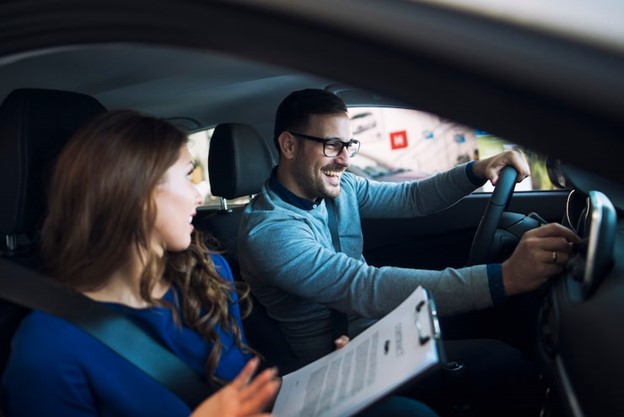
The DVSA should approve every professional instructor in the UK. A green badge displayed inside the car window confirms that qualification.
Reliable best driving instructors Cambridge learners recommend are usually mentioned:
- DVSA registration
- local teaching experience
- structured lesson plans
Missing qualifications should never be ignored. Driving lessons already cost enough money. Poor instruction only increases the risk of failed tests and extra lessons later.
Teaching Style Matters More Than Years of Experience

Some instructors have decades of experience but still make learners uncomfortable. Others may have fewer years behind them yet explain things clearly and calmly.
A learner who feels nervous beside the instructor will often learn more slowly. That pressure builds quietly. Small mistakes start feeling massive. Confidence drops. Lessons become frustrating instead of useful.
Cambridge roads can already feel stressful for beginners. Busy cyclists near the city centre. Tight junctions. Multi-lane roundabouts. Heavy student traffic during peak hours. Calm teaching makes a huge difference in those situations.
Strong driving instructors in Cambridge usually:
- explain mistakes without sounding harsh
- build confidence gradually
- adapt lessons to the learner’s pace
That balance matters more than people realise.
Reviews Often Reveal the Real Story
Five-star ratings alone do not mean much anymore. Many reviews online feel copied or overly polished. Real reviews usually sound more natural. Slightly messy. Specific. Honest.
One Cambridge learner described failing twice before switching instructors. According to the review, the previous teacher spent most lessons criticising mistakes instead of explaining solutions. After changing instructors, the learner passed within weeks because the lessons finally felt organised and calm.
Those details matter. Reviews mentioning patience, confidence building, and lesson structure are usually stronger signs than generic comments like “great instructor” or “highly recommended.”
Local Knowledge Gives Learners an Advantage
Cambridge has its own driving challenges. That part gets overlooked quite a bit. Cyclists move quickly across junctions. Some roads near the centre feel narrow and awkward during busy hours. Test routes often include difficult roundabouts that catch learners off guard.
Experienced local instructors understand:
- common Cambridge test routes
- difficult traffic spots
- roads where learners often make mistakes
That knowledge helps learners prepare properly instead of driving randomly around town every lesson.
Cheap Lessons Can Cost More Later
Low prices attract attention fast. Understandable. Learning to drive is expensive already. Still, very cheap lessons sometimes mean rushed teaching, poor communication, or inconsistent scheduling. Some learners end up paying for extra lessons later because progress was too slow in the beginning.
A skilled instructor may charge slightly more, but quality teaching often reduces the total number of lessons needed overall. That saves money long term.
The First Lesson Usually Tells You Everything
The first session reveals a lot about the instructor. Clear communication matters immediately. Feedback should feel useful, not intimidating.
Pay attention to small things. Did the instructor explain calmly? Did the lesson feel organised? Was there patience during mistakes?
Awkward lessons happen sometimes. That part is normal. Constant stress during every lesson is not. Changing instructors is completely okay if the learning environment feels wrong.
Conclusions
Choosing the right instructor shapes the entire driving experience. Calm teaching, proper structure, and local road knowledge often matter far more than discounts or aggressive marketing.
A supportive instructor helps learners stay relaxed, improve steadily, and build confidence on difficult Cambridge roads. That confidence stays useful long after the driving test ends.
For learners searching for trusted manual driving support, Driving lessons Cambridge continues helping new drivers feel more comfortable and prepared behind the wheel.
FAQs
How do I choose the best driving instructors Cambridge learners trust?
Look for DVSA approval, local experience, real learner reviews, and calm teaching methods.
Are manual driving lessons Cambridge learners take difficult for beginners?
Manual driving can feel challenging at first, especially clutch control, but most learners improve quickly with practice.
Why should I choose manual driving lessons instead of automatic?
A manual licence allows drivers to operate both manual and automatic vehicles.
How many lessons do most manual learners need?
Most learners in the UK need around 40 to 50 hours of professional training.